

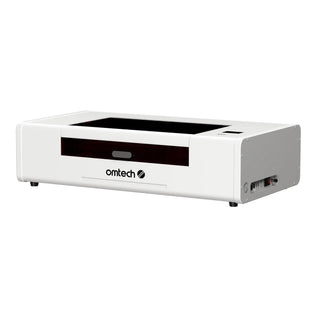
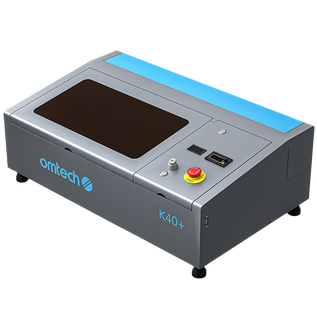
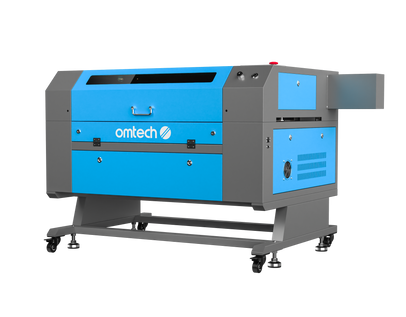
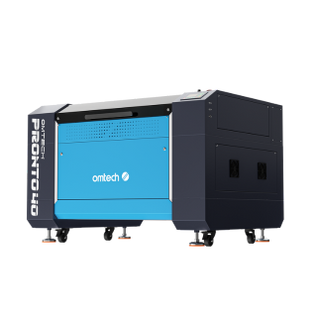






A complete guide to laser cutting cardboard: corrugated vs. non-corrugated types and thicknesses, why CO2 lasers are the top choice with OMTech machine recommendations at each level, cutting vs. engraving settings, popular project ideas from prototyping to architectural models, and essential fire-safety practices.
This blog explains how to make laser-cut decorative wooden clocks with a CO2 laser engraver. It explains what you need, what the process is, and where and how to sell your laser-cut wooden ideas.
A guide to selling laser-engraved products across craft markets, B2B channels, Shopify, and online marketplaces, with targeted marketing strategies by product category (weddings, corporate gifts, sports gear, pet memorials, home signage), a comparison of online vs. in-person vs. B2B selling, and key tips on copyright, differentiation, and selling blanks.
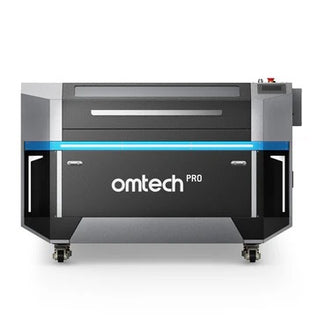
This guide walks through building a laser-cut wooden LED welcome sign from an SVG file, plywood, glue, and an LED strip, including the exact laser settings used on the OMTech Pronto 40 90W. It explains why a 90W CO2 laser is ideal for this project, enough power to cut thick wood and acrylic in one pass, fast engraving speeds for large lettering, and a bed size big enough for full-scale event signs, and covers popular uses for these signs in weddings, office branding, and home decor.
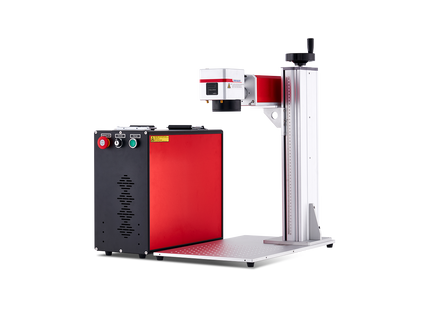
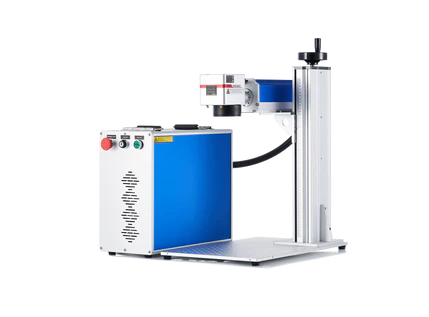
This guide covers the key features that separate a good leather laser engraver from a bad one: smoke containment and enclosure, high-volume air assist, laser wavelength (CO2 vs. diode), LightBurn compatibility, and Z-axis/focus adjustment for uneven hides. It also compares CO2, diode, and Galvo/fiber lasers for general leatherwork versus hat patch production, and lays out key safety rules around faux leather, smell management, and air assist.
This guide walks you through choosing a home laser engraver by budget tier (entry-level, mid-range, and small-business), by material compatibility (diode, CO2, and fiber wavelengths), and by ventilation setup (windowed vs. windowless spaces). It closes with practical safety and software tips and machine recommendations for each budget and use case.
This guide helps crafters choose a laser engraver based on the materials they work with (wood, leather, acrylic, glass, or metal), plus safety enclosure, ventilation, and software factors. It breaks down entry-level, mid-range, and premium tiers with real models (including the xTool S1, OMTech Polar 2/Polar Lite, OMTech Pronto 40 and Pro 2440, and Galvo/MOPA fiber lasers) and closes with material-specific OMTech recommendations and key safety tips.
This guide explains how to choose the best laser engraver for cups and tumblers based on material: CO2 for powder-coated drinkware and glass, fiber for bare stainless steel and titanium, UV for premium glass, and diode for hobby-level work. It covers Z-axis clearance, chuck vs. roller rotaries, galvo vs. gantry speed, and LightBurn compatibility, and recommends specific Co2, MOPA & Fiber machines for each drinkware material and production volume.